

Skylights are a brilliant architectural feature. They flood interiors with natural light, reduce the need for artificial lighting, and create a sense of openness that standard windows simply can’t match. In Queensland homes especially, skylights can transform dark hallways, bathrooms and living areas into bright, inviting spaces.
Yet despite their visual appeal, skylights are also one of the most common sources of roof leaks. For homeowners who find themselves searching for roof leak repair in the Gold Coast, skylights are frequently at the centre of the problem.
So why do skylights so often become a leak risk? The answer lies in a combination of design complexity, installation quality, environmental exposure and ongoing maintenance.
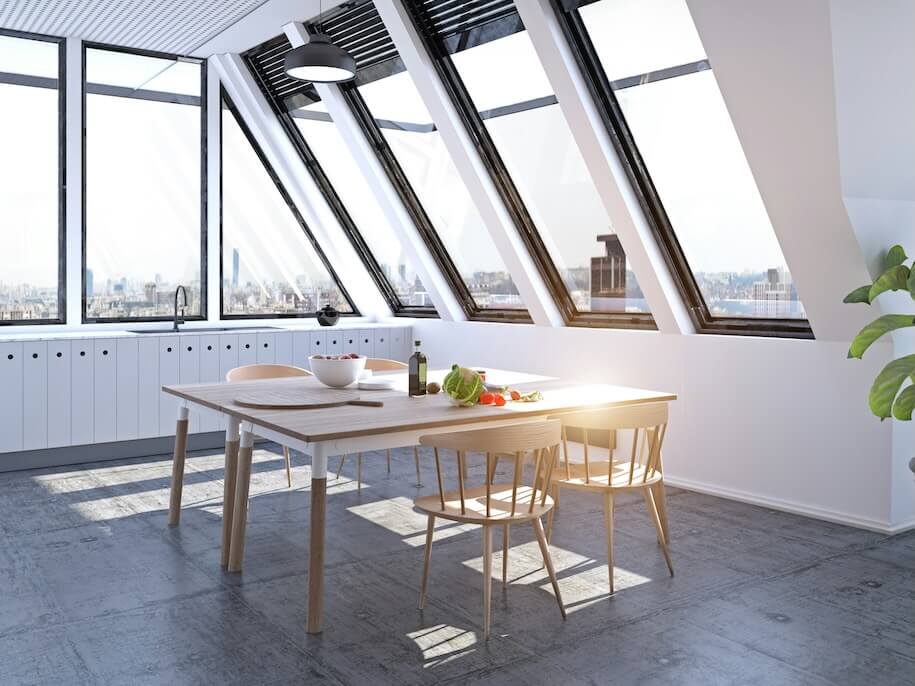
Skylights Interrupt the Roof’s Natural Water Flow
A standard roof is designed to shed water efficiently. Its pitch, materials and flashing systems all work together to direct rainwater downwards and away from the structure. When you install a skylight, you’re effectively cutting a hole into that system.
That opening must be sealed, flashed and integrated perfectly with the surrounding roofing materials. If any part of that process is flawed — even slightly — water can find its way inside. Unlike solid roofing sheets or tiles, skylights introduce multiple joints, edges and transitions. Each of these becomes a potential entry point for moisture.
In heavy rainfall, which is not uncommon along the Queensland coast, these weak points are tested immediately.
Poor or Inconsistent Installation
One of the leading causes of skylight leaks is improper installation. Even high-quality skylights can fail if they are not installed precisely according to manufacturer specifications. Common installation issues include:
- Inadequate or incorrectly layered flashing
- Failure to use appropriate waterproof membranes
- Improper sealing around the skylight frame
- Incorrect pitch selection for the roof type
- Incompatible materials used in surrounding roofing
In some cases, skylights are retrofitted into older roofs without upgrading the surrounding waterproofing systems. This creates a mismatch between new and ageing materials, increasing the risk of leaks over time. Unfortunately, leaks caused by poor installation may not appear immediately. They can take months — or even years — to become visible inside the home.
Flashing Failure Over Time
Flashing is the thin material, usually metal, installed around roof penetrations to prevent water from seeping in. Skylights rely heavily on flashing to remain watertight. Over time, flashing can:
- Corrode
- Lift due to wind pressure
- Crack from thermal expansion and contraction
- Separate from surrounding roofing materials
In coastal areas like the Gold Coast, salt air accelerates corrosion. Combined with strong UV exposure and seasonal storms, flashing around skylights can deteriorate faster than homeowners expect. Once flashing begins to fail, water often tracks underneath roofing materials before appearing as a stain inside the ceiling. This makes leaks difficult to trace without professional inspection.
Sealant Breakdown and UV Exposure
Sealants are often used around skylight frames and joints as an additional waterproofing layer. While effective initially, sealants are not permanent.
In Australia’s harsh climate, UV radiation can break down sealants relatively quickly. Temperature fluctuations cause expansion and contraction, which leads to cracking. Once the sealant loses elasticity, tiny gaps form — and that’s all water needs. Because sealant degradation happens gradually, many homeowners don’t notice the issue until visible damage appears inside.
Condensation vs. Roof Leaks
Not every skylight “leak” is technically a roof failure. Skylights can also create condensation problems, particularly in bathrooms and kitchens where humidity levels are high. Warm, moist air rises and collects on the cooler skylight surface. When it condenses, droplets form and can drip down, mimicking a leak.
Over time, condensation can damage plasterboard, insulation and timber framing. While different from a traditional roof leak, the end result can look very similar — bubbling paint, water stains or mould growth. Proper ventilation and high-quality glazing systems are essential to prevent this issue.
Movement and Structural Stress
Roofs naturally expand and contract as temperatures change. Structural movement also occurs over time as buildings settle. Because skylights are rigid units inserted into a flexible roofing system, they can become stress points. Slight shifts in framing or roofing sheets may create tiny gaps around the skylight perimeter.
In high-wind regions, uplift forces can also place additional stress on skylight installations. If the original installation didn’t account for local wind ratings, leaks may develop after major storms.
Debris Build-Up Around the Frame
Leaves, dirt and debris often collect around skylights, particularly if the roof pitch is relatively low. Blocked drainage pathways can cause water to pool near the skylight instead of flowing freely off the roof. Standing water increases the likelihood of seepage through even minor weaknesses. During heavy rain events, debris build-up can rapidly turn a minor vulnerability into a significant leak.
Regular roof cleaning and inspection are simple but often overlooked preventative measures.
Ageing Roofing Materials
Sometimes the skylight isn’t the true problem — the surrounding roof is. If roofing sheets, tiles or underlays are deteriorating, water may enter near the skylight and simply appear to originate from it. Because skylights represent a visible opening in the roof, they are often blamed first.
A thorough inspection should assess:
- Surrounding roofing materials
- Sarking or waterproof membranes
- Insulation condition
- Internal framing
Identifying the true source of the leak is critical before undertaking repairs.
Why Skylight Leaks Should Never Be Ignored
Even a minor skylight leak can escalate quickly. Water intrusion may lead to:
- Ceiling staining and plaster damage
- Mould growth
- Timber rot in roof framing
- Insulation saturation
- Electrical hazards
In coastal climates, ongoing moisture exposure can also accelerate corrosion of structural components. The longer a skylight leak is left unresolved, the more complex — and costly — the repair becomes.
Prevention: How to Reduce Skylight Leak Risk
While skylights do present inherent risks, they can perform reliably when properly installed and maintained. Key preventative steps include:
- Ensuring professional installation by experienced roofing specialists
- Using high-quality flashing kits designed for the specific roof type
- Conducting regular roof inspections, particularly after storms
- Clearing debris from around skylights
- Replacing ageing sealants proactively
- Assessing older skylights for potential replacement rather than repeated patch repairs
If a skylight is nearing the end of its lifespan, replacement may be more cost-effective than ongoing temporary fixes.
Skylights enhance natural light and architectural appeal, but they introduce complexity into what should otherwise be a continuous, water-shedding roof surface
Their reliance on precise flashing, sealing and structural integration makes them particularly vulnerable to leaks — especially in climates exposed to heavy rain, strong UV and coastal conditions.
Understanding why skylights often become a leak risk allows homeowners to act early, maintain their roofing systems properly, and seek professional support when warning signs appear. Addressing issues promptly not only protects the skylight itself but also preserves the integrity of the entire roof structure.
People also read this: The Rapid Growth of Home-Based Healthcare and What It Means for Job Seekers
