
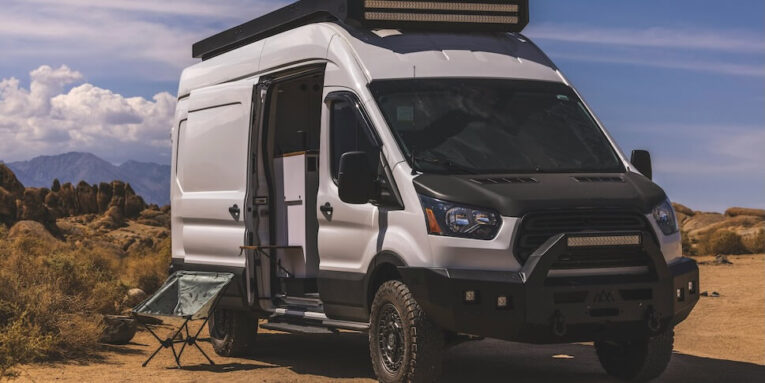
These days, when it comes to the odd occasion where you need to transport something big, people have shifted their habits and prefer hiring a van than borrowing one. A few generations ago, it was only natural to ask your friend who had a van if you could borrow it for the day to move a sofa or have a garage clean-out. But now, that’s no longer the case. It’s not that society has become more selfish and less willing to help but instead, it’s for more practical reasons.
The Friendship Tax No One Knew Existed
Before someone would lend you their van, you’d think it was a great favor. Free transportation, done. But then reality hits. First, you owe them a full tank of gas (which costs more than you think, those van tanks are much bigger). Second, you owe them a lunch or dinner as appreciation for their time. Third, you need to match schedules to pick up the van, drop off the van in time for them to go out that day. And this is all assuming nothing goes wrong.
The cost comes from the stress no one mentions. If you’re borrowing a van, what happens if you hit a wing mirror in a tight space? What happens if the furniture shifts during transit and damages the interior? This isn’t just some vehicle; it’s someone’s living or an expensive personal item, and for the entire time you have possession of said van, you’re stressed out over it being your responsibility.
Insurance Complications Insurance Complications
First, most people just assume that normal circumstances cover them as drivers of borrowed vans. That’s not true. Standard van insurance does not always cover other drivers, especially not commercial vehicles. For those situations in which it does cover other drivers, it’s rarely limited, but with a huge deductible, and to be determined by the extent of damage, it’s debatable if it matters to someone’s no-claims benefit.
Therefore, it puts both parties in an awkward situation where if the van owner wants to cover their basis, they’ll need to pay additional fees to add someone as a temporary driver. Otherwise, they’re just as liable as the new driver in every regard if something goes wrong. Simultaneously, the driver is operating without insurance, something their license will not appreciate if they’re pulled over down the line.
Availability No Longer Applicable
The major tenet of “my mate has a van” relied on the idea that said person didn’t need their vehicle at that time. That makes sense when people don’t rely on the vehicles for their daily needs. However, more tradespeople and small businesses and gig jobs have vans that they depend on daily, meaning your chances of getting a van at your preferred time are less and less likely.
Why? Because weekend availability is even harder to come by. This is when everyone else is trying to load and unload houses and make trip runs to the dump and furniture collections, too. The person with the van you’d like to borrow likely has their own projects planned that weekend or needs it for work on Saturday. Websites like https://hirefleet.co.uk/ have become go-to resources simply because at least when they say they’re available, they are – the same way borrowers guarantee their vehicle is available for free rental.
General Professionalization
There’s also been a societal shift toward professionalizing what used to be social arrangements. Part of it is time poverty – people don’t want to waste two hours trying to borrow a van before figuring out that actually hiring one would be easier. At the same time, people know more about risks these days and that insurance and professional resources matter more than they used to in the past.
It’s not about being unfriendly; it’s about borrowing something that might provide obvious gains but comes at a risk for both parties. When you hire a van, there’s no awkwardness, no questions about insurance and no chance your efforts get complicated by someone else’s scheduling.
When Borrowing Makes Sense
That said, there are certain occasions where borrowing makes sense perfectly. If you’re helping your family move and they want to get involved anyway, why not share with them their own van? If you’re part of a small community where people have access to vehicles regularly and everyone is fine with informal insurance arrangements, this works.
This approach works because of reciprocity and regular exposure. When borrowing vehicles are set within a context where things go back and forth for each party frequently enough where it’s not such an imposition as a one-off for someone without much interaction, that’s where modern social dynamics become tougher.
The Hidden Time Cost No One Talks About
Part of going through all the effort to borrow a vehicle is the time it takes no one accounts for it actually taking. Asking someone first is an investment (although you hope they say yes but prepare yourself they might say no). Then scheduling dates/times becomes an additional step. Then picking up the vehicle is often a 30-minute round trip before you even do what you need before bringing it back (again with filling up the gas tank as well as cleaning it out).
Compare this effort with hiring a van, where you can spend five minutes online booking it and picking it up in a convenient place to where you’re doing your work with no timeline attached to where you’re dropping it off at 8 PM because you’re not sure if your friend wants their vehicle back if they’re on date night.
What This Means Going Forward
Social expectations about borrowing vehicles are slowly shifting with greater acceptance of hiring without asking for community assessments first. This doesn’t mean people have become more fragmented or less helpful; it’s just become clear that some transactions work better within professional atmospheres instead.
For those who own vans, this is actually less stressful; now they don’t have to feel strained providing such important vehicles as they’re part of their livelihood or business with risk (and complicated conversations) that could go awry for friends trying to borrow it all in good faith.
For those who only sometimes need vans, it’s just better that there are accessible policies in place so they’re not dependent on social favors or limited availability based on someone else’s schedule.
Borrowing vehicles isn’t dead; it’s changing. The professional approach to hiring has become last-resort-status less frequently than the default for most people – and that’s probably better for everyone involved. With hired professional approaches come defined transactions with guaranteed insurance and no friendships at stake over scrapped paint on bumpers; it’s clear sometimes it’s better to separate business from persons when multiple tons of metal is someone’s livelihood or your friend’s.
People also read this: Know When You Need to Call a Locksmith: A Complete Guide
