
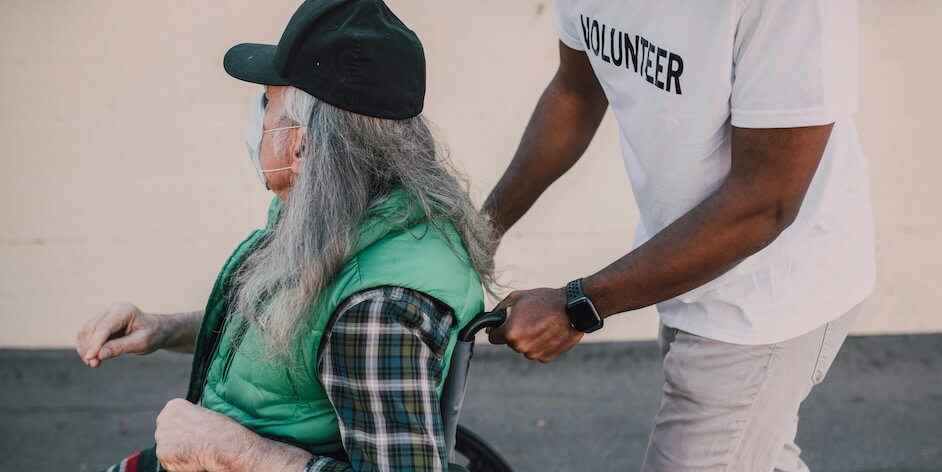
A Good Samaritan law is a rule that aims to protect people who help others in emergencies. These laws encourage action by offering legal protection when someone tries to assist a stranger in danger. In Nevada, this idea is meant to protect your rights after an accident and other emergencies and give you confidence to act.
In everyday life, crises like car crashes, sudden illness, or overdoses can happen unexpectedly. Knowing the basics of Nevada’s law helps you weigh the risks and act with care. This article explains what this law does, when it applies, and important limits to understand.
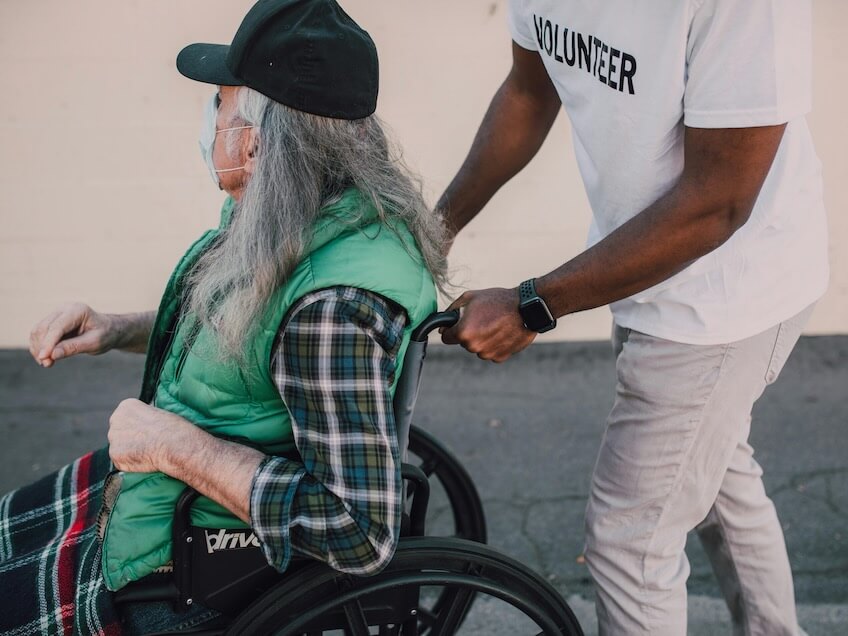
Good Samaritan Law
Nevada’s Good Samaritan law offers legal protection to people who help others in emergencies without being paid. It’s designed to reduce the fear of being sued if your help causes unintentional harm. In Nevada, the specific code section outlines that helpers are shielded unless their conduct is grossly negligent. This protection applies only when someone acts reasonably and in good faith.
Key protections include:
- Civil immunity from most lawsuits if you act in a helpful way.
- Protection when performing basic emergency aid like CPR or stopping bleeding.
- Coverage for people who seek medical help for an overdose under a related statute.
These protections are not absolute. They apply only in certain situations and only if the helper follows standards a reasonable person would use.
When Does the Good Samaritan Law Apply?
The law applies when a person:
- Is acting voluntarily and without any promise of payment.
- Performs first aid or emergency steps in a sudden crisis.
- Actively tries to help someone in danger in a way a reasonable person would.
Examples include:
- Pulling someone out of harm’s way after a crash.
- Giving CPR or using an AED when a victim collapses.
- Calling 911 and staying with an injured person until professionals arrive.
If the helper’s actions are honest and careful, the law generally keeps civil claims off the table. This encourages bystanders to act rather than waiting for emergency services.
Exceptions to the Nevada Good Samaritan Law
The law does not protect every kind of action. You can still be held responsible if you:
- Act with gross negligence or recklessness. (For example, doing something careless that a trained person should not do).
- Create the emergency. (For example, if you caused a crash and then claim protection, the law may not apply).
- Expect to or receive payment for your help. (For example, a paid caregiver on duty is not covered under the same provision).
- Are a professional on the clock. (For example, a doctor or nurse on duty is judged on workplace rules, not Good Samaritan protections).
These limits matter because the law is meant to protect well-intended assistance, not unsafe or opportunistic conduct.
Special Case (drug overdoses)
Nevada has a related rule that shields people who call for help during an overdose. This is separate from the general Good Samaritan statute. It is focused on encouraging people to call 911 without fear of some drug charges.
Final Thoughts
Nevada’s Good Samaritan law exists to help people step in when others are in danger. It doesn’t force anyone to help, but it offers legal protection when someone does. Acting reasonably and without payment is the key to staying protected.
Key Takeaways
- Nevada’s law encourages bystander help with legal protection.
- Protection applies only if you act in good faith and without pay.
- Certain actions, like grossly negligent behavior, are not covered.
- There are separate protections for overdose calls.
- Understanding these rules can make a real difference in critical moments.
People also read this: Smart Website Building: A Fresh Approach to SEO Success
