

Most people think about smart home technology and picture voice-controlled lights or security cameras that send alerts to your phone. But some of the most practical upgrades you can make involve your heating and cooling system. The right technology can transform a house where you’re constantly adjusting the thermostat into one that just feels comfortable without much thought.
The best part? Many of these upgrades don’t require tearing apart walls or spending thousands of dollars. A few strategic improvements can make a genuine difference in how your home feels throughout the year.
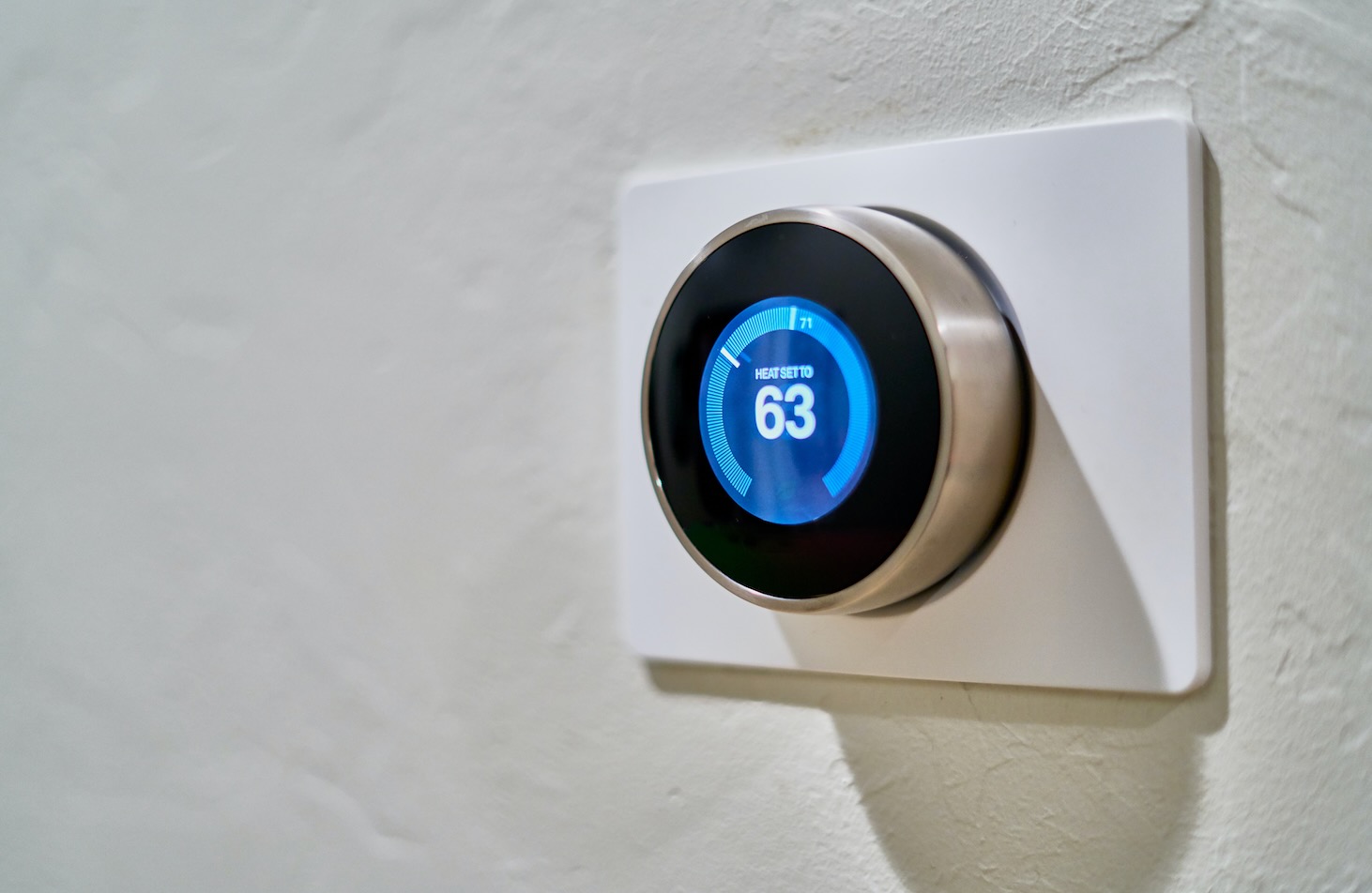
Smart Thermostats That Actually Learn Your Schedule
A programmable thermostat seemed revolutionary fifteen years ago, but let’s be honest—most people set them up once and then override the settings constantly. Smart thermostats take a different approach by learning your patterns and adjusting automatically.
These devices track when you’re home, when you’re asleep, and when the house is empty. After a week or two, they start making adjustments that match your actual routine rather than some schedule you programmed at 10 PM on a Sunday. The temperature drops at night without you touching anything, then warms up about twenty minutes before your alarm goes off.
Here’s what makes them worthwhile: they compensate for weather changes. On a particularly hot afternoon, the system might start cooling earlier to reach your preferred temperature by the time you get home. On mild days, it might run less frequently because the house stays comfortable naturally.
Many models also provide energy reports showing exactly when and why your system runs. That information helps identify patterns you might want to change, whether it’s a room that heats up more than others or times when the system works harder than necessary.
Zoning Systems for Houses That Never Feel Quite Right
Some homes have that one bedroom that’s always too hot, or a basement that stays chilly even when the rest of the house feels fine. Traditional systems treat the entire house as one space, which means you’re always compromising. Someone upstairs is sweating while someone downstairs is grabbing a sweater.
Zoning systems solve this by dividing your home into separate areas, each with its own thermostat. Motorized dampers in your ductwork open and close to direct air where it’s actually needed. The upstairs can stay cooler during summer afternoons when the sun beats down on the roof, while the main floor runs less frequently.
This setup works particularly well for two-story homes, finished basements, or houses where one side gets significantly more sun exposure than the other. Professional installation by companies such as Veterans AC & Heat ensures the dampers and controls integrate properly with your existing system, and that airflow remains balanced throughout your home.
The comfort improvement is immediate and noticeable. No more closing vents manually or running the whole system just to cool down one uncomfortable room. Each space maintains its own target temperature, and the system figures out how to make that happen efficiently.
Air Purification That Works Behind the Scenes
Air quality doesn’t always get attention until someone in the house starts having allergy symptoms or you notice dust accumulating faster than it should. Standalone air purifiers help, but they only treat one room and need constant filter changes.
Whole-home air purification systems integrate directly into your HVAC setup, treating air as it circulates through your ductwork. Every time your heating or cooling runs, the air gets filtered through advanced media that captures particles standard filters miss. Some systems also address odors, volatile organic compounds, and even airborne pathogens.
The difference becomes apparent after a few weeks. Surfaces stay cleaner longer, that musty smell in certain rooms fades away, and people with sensitivities notice they’re not reaching for allergy medication as often. The system works continuously without requiring you to remember to turn anything on or adjust settings.
Installation typically involves adding components to your existing ductwork and ensuring your system can handle the additional filtration without restricting airflow. It’s not something you notice visually since everything lives inside your ducts, but the results show up in how the air feels and smells throughout your home.
Humidity Control for Real Comfort
Temperature gets all the attention, but humidity matters just as much for comfort. A house at 74 degrees with 60% humidity feels muggy and uncomfortable, while the same temperature at 40% humidity feels pleasant. Most standard air conditioners remove some moisture as a byproduct of cooling, but they’re not designed to control humidity precisely.
Whole-home dehumidifiers work alongside your cooling system to maintain ideal moisture levels regardless of outside conditions. During humid summer months, your home stays comfortable without over-cooling just to reduce that sticky feeling. The system monitors humidity levels and removes moisture as needed, even when cooling isn’t required.
In winter, the opposite problem occurs—heated air becomes extremely dry, causing static shocks, irritated sinuses, and cracked woodwork. Whole-home humidifiers add moisture back into the air as it circulates, maintaining comfortable humidity levels automatically. You’re not refilling portable units constantly or dealing with inconsistent moisture distribution.
Proper humidity control also helps your heating and cooling system work more efficiently. Balanced humidity levels mean you can set the thermostat a bit higher in summer or lower in winter while maintaining the same comfort level, which translates directly into lower energy costs.
Making It All Work Together
The real advantage of these upgrades shows up when they work as an integrated system rather than separate gadgets. A smart thermostat that coordinates with zoning controls and humidity management creates a home environment that adapts automatically to changing conditions and your daily patterns.
Most modern systems can be monitored and adjusted from your phone, which sounds gimmicky until you’re lying in bed and realize the house feels warmer than usual. Instead of getting up to check the thermostat, you can see what’s happening and make adjustments from wherever you are. Vacation mode, temporary schedule changes, or checking why one room feels different—it all becomes straightforward.
The best part is that none of these upgrades require living in a brand-new house or completely replacing your current system. Most work with existing HVAC equipment and can be added gradually as budget allows. Start with the improvement that addresses your biggest comfort complaint, whether that’s inconsistent temperatures between rooms or air quality concerns, then build from there.
A comfortable home shouldn’t require constant attention and adjustment. These smart upgrades handle the details automatically, letting you focus on actually living in your space rather than managing it.
People also read this: Why Every Growing Company Needs a Branding Matchmaker
